

Silent Meditation Retreat: What Actually Happens
Aug 12, 2026
At a silent meditation retreat you stop talking for the length of your stay, usually 4 to 12 days, and fill the space with sitting meditation, walking meditation, gentle yoga and a lot of early nights. You still hear plenty of speech: teachers give instructions and talks, and most retreats offer short check ins with a guide. The silence is yours, not theirs. Prices run from about $50 for a two day fasting retreat in Tamil Nadu to $1,335 for eight days on Sardinia with a private sea view room. This post walks through a typical day, the rules people worry about, what it honestly feels like, and which retreats fit which kind of person.
In this article
- What are the rules of a silent retreat?
- What does a typical day look like?
- What does it actually feel like?
- What do silent retreats cost?
- Who should go, and who should wait?
- FAQ
What are the rules of a silent retreat?
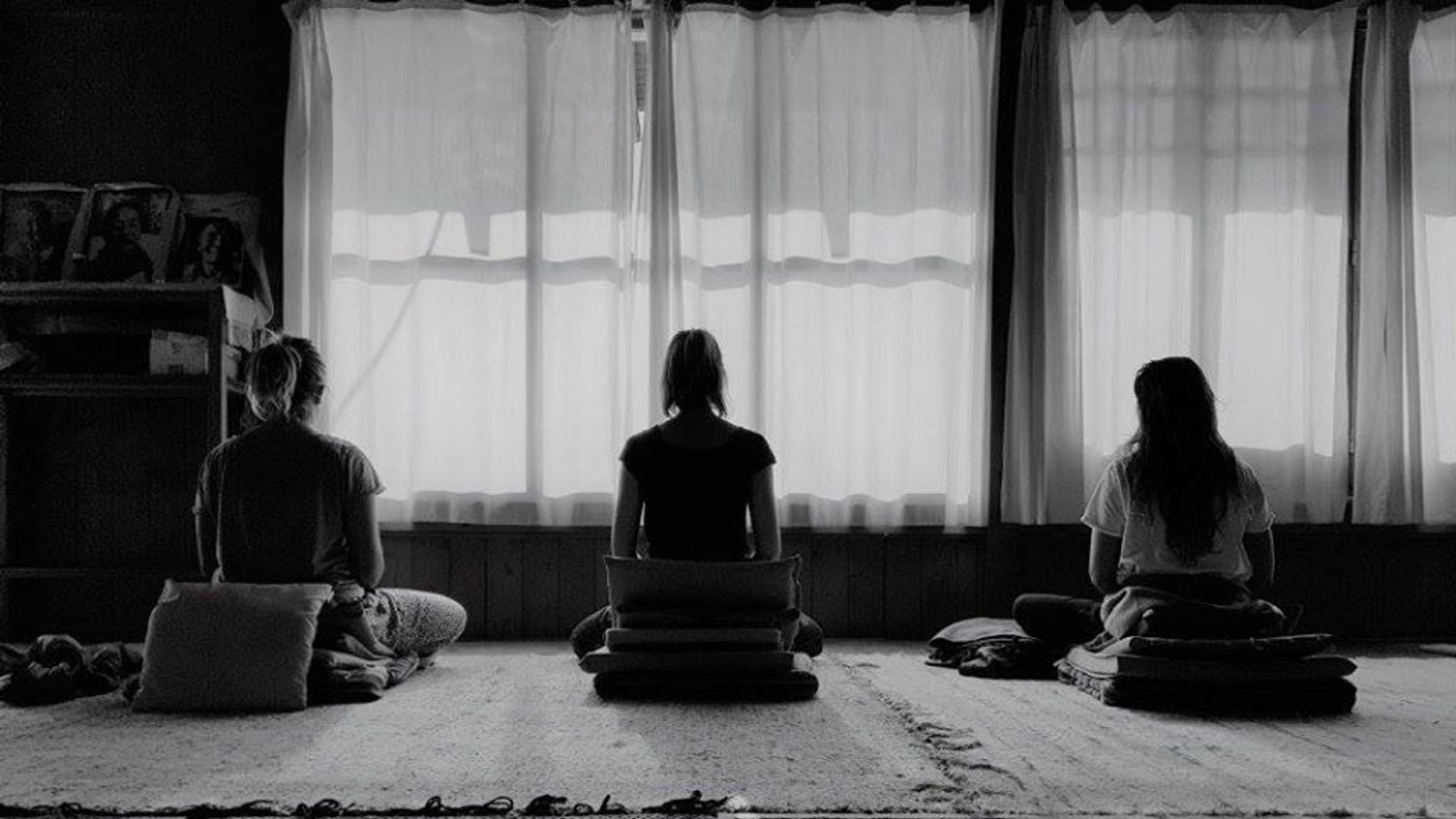
The core rule is noble silence: no talking to other participants, and usually no phones, no reading and no writing beyond a journal if the center allows one. The point is not discipline for its own sake. Speech, scrolling and even novels keep the planning mind fed. Take the inputs away and the mind slowly runs out of things to chew on. That is when practice gets interesting.
The rules people expect to be strict often are not. Eye contact is discouraged at stricter centers and nobody cares at softer ones. You can almost always speak to staff about practical things, an allergy, a broken shower, feeling overwhelmed. Most retreats build in a daily or every other day check in with a teacher precisely so that nobody sits alone with a problem for a week. If a retreat offers no access to a teacher at all, that is a reason to pick a different one.
One honest caveat before you book: silence amplifies whatever you bring. People working through fresh grief or an acute mental health episode should talk to the organizer first, and possibly a professional, because a silent week is a poor substitute for support. Good centers screen for this in the booking questionnaire.
What does a typical day look like?
Schedules vary, but the skeleton repeats across traditions. Wake between 5:30 and 6:30. A first sit before breakfast. Alternating blocks of sitting and walking meditation through the morning. Lunch, often the main meal. A rest or personal practice slot in the early afternoon, then more practice, a talk from the teacher, a light dinner or tea, a final sit, and lights out by 9:30 or 10. Yin or hatha yoga usually appears once or twice a day to undo the sitting.
Counting it up surprises people: six to eight hours of formal practice a day is normal. It sounds brutal and mostly is not, because the blocks are 30 to 45 minutes and the walking portions are genuinely restful. The hard part is never the schedule. It is the second day.
What does it actually feel like?
Day one feels like a novelty. Day two is where most people hit the wall: restlessness, boredom, a mind that suddenly produces every embarrassing memory it has on file. This is so predictable that teachers plan their talks around it. Around day three or four the noise drops. Food tastes stronger. Birdsong gets loud. Time stretches out in a way that a two week beach holiday never manages.
There is a physiological story underneath this, about the nervous system downshifting when inputs stop, and we cover the research carefully in how retreats reset your nervous system. The short version: the silence is not magic. The removal of demands is.
Sound plays a bigger role than the name suggests. Many silent retreats end sessions with a bell, a gong or chimes, because a long harmonic tone gives the mind a landing strip between silence and movement. Quite a few of our customers first heard a Koshi or Zaphir chime exactly there, in the hands of a retreat teacher.
This article contains affiliate links. If you book a retreat through them, we may earn a commission at no extra cost to you. It never affects the price you pay. Read our full disclosure.
What do silent retreats cost?
Silent retreats sit slightly above ordinary yoga retreats on price, mainly because groups are small and teacher contact is high. There are 62 silent retreats listed on BookYogaRetreats right now. A representative spread, all prices for shared or listed rooms:
| Retreat | Length | From about | Rating |
|---|---|---|---|
| Silent vegan fasting retreat, Tamil Nadu, India | 2 days | $50 | 4.45 (49 reviews) |
| Silent mindfulness retreat, Sasaima, Colombia | 5 days | $435 | 4.7 (78 reviews) |
| Silent Zen and yin yoga retreat, Algarve, Portugal | 7 days | $820 | 4.85 (35 reviews) |
| Silent meditation retreat, Chiapas, Mexico | 12 days | $1,070 | 4.75 (19 reviews) |
| Silent mindfulness retreat, Jaco, Costa Rica | 5 days | $1,089 | 4.7 (78 reviews) |
| Silent retreat with boutique room and spa, Sardinia, Italy | 8 days | $1,335 | 4.75 (54 reviews) |
Europe holds a middle band too: a 4 day silent retreat in Glastonbury, UK runs from about $775, and a 5 day silent retreat in the hills of Valencia Province, Spain from about $915. Prices and dates change, check the listing for current availability. Remember to add flights and transfers on top; our full cost breakdown shows how the total trip usually lands at listing price plus flights plus roughly 20 percent.

A soft five note voice many meditators use to open and close their sits at home. Best in a sheltered spot indoors, near a window or doorway.
Who should go, and who should wait?
Go if you already have some meditation habit, even a patchy ten minutes a day, and the idea of a quiet week pulls at you. Go if you are coming off a long stretch of overwork and know that a social holiday will not fix it. Start with 4 or 5 days rather than 12; the short formats exist because the long ones are a big first bite.
Wait if you have never meditated at all. A mixed retreat with some silent periods, or a general week from our complete guide to yoga and sound retreats, will teach you the basics with far less friction. And wait if you are in acute crisis. Silence is a strong dose.
Frequently asked questions
Can I really not talk for the whole retreat?
You do not talk with other participants, but you can always speak with staff about practical needs, and most retreats include short check ins with a teacher. Emergencies override the rules everywhere.
Can beginners do a silent meditation retreat?
Yes, if the retreat says so and the format is short. A 4 or 5 day guided silent retreat with daily teacher contact works for motivated beginners. A 10 or 12 day intensive is better after you have a steady home practice.
What happens to my phone?
Most centers ask you to hand it in or leave it in your room in airplane mode for the duration. Organizers give you an emergency contact number for family before you arrive.
How much does a silent retreat cost?
Verified current listings run from about $50 for 2 days in Tamil Nadu to about $1,335 for 8 days on Sardinia with a private room. Most 5 to 7 day options in Europe and the Americas fall between $435 and $1,089 before flights.
Curious what a week of quiet would do?
Browse every silent retreat with current dates and prices. Enquiring is free and commits you to nothing.
Browse silent retreats →
